Infrastructure for L1/L2 Chains, App-Chains & Ecosystem Foundations
An L1 or L2 chain launches with consensus and almost nothing else; the infrastructure that makes it usable (RPC, oracles, indexing, explorers, multisig, and primitives) has to be bootstrapped separately before protocols can deploy and TVL can arrive.
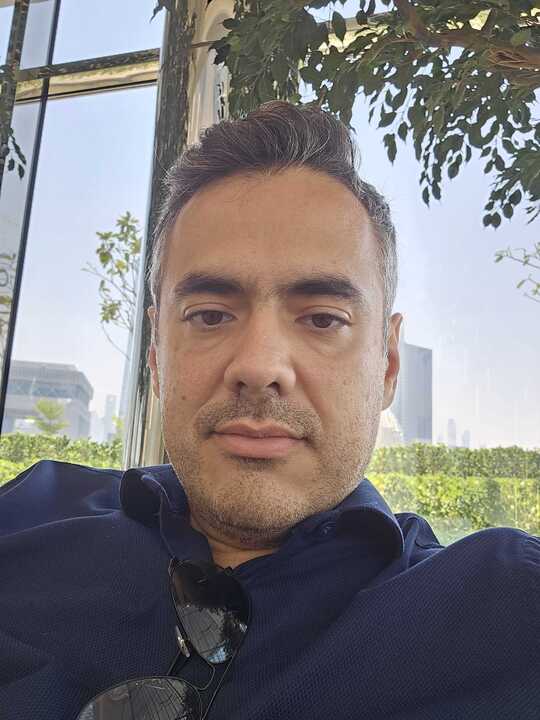
Reviewed by Luis Medeiros, Field CTO at ProtofireLast reviewed: June 2026



















An L1 or L2 chain is a blockchain network that launches with a working consensus layer and almost nothing else around it. The infrastructure that makes a chain usable, reliable RPC and node access, oracles for price data, subgraph indexing for app data, a block explorer, a multisig for treasuries, and the developer tooling builders expect, has to be bootstrapped separately, and until it exists, protocols cannot deploy and TVL cannot arrive.
Protofire builds that layer for L1/L2 chains, app-chains, and rollups so a new network is something teams can actually build on. We deliver each piece with the engineers who operate it: node, RPC, and validator infrastructure; oracle stacks; subgraph indexing; block explorers; Safe multisig as an official Safe Guardian; and DeFi and stablecoin primitives to seed the ecosystem. Where you need depth, each section routes to the service that delivers it.
This page is for two buyers with the same goal. The first is a chain: an EVM L1, an L2 rollup, or a modular app-chain, that needs production infrastructure and the integrations protocols expect before it can attract developers. The second is an ecosystem foundation running grants, growth, and developer relations, that needs the shared primitives in place so the teams it funds can ship instead of rebuilding plumbing.
The infrastructure stack every new L1/L2 chain has to bootstrap
A chain launches with consensus; everything else has to be built before protocols can deploy and TVL can arrive.
Node & RPC infrastructure
Oracle infrastructure
Subgraph indexing
Block explorer
Safe multisig
Developer tooling
What a new L1/L2 chain needs to bootstrap
Before any application runs, a chain needs node infrastructure that stays up: archive and full nodes, public and private RPC endpoints, validators where the consensus model requires them, plus the monitoring and cost engineering that keep it all economical at scale. This is where most new chains underestimate the work, and it is where a foundation's developer-usage numbers live or die.
Protofire runs this in production today. For Filecoin we optimized the RPC layer and node stack to reach 99.95% uptime, sub-second data retrieval under 800ms, and a 240% increase in developer usage, for a network that stores over 1 EiB of data and handles 4+ billion node requests monthly.
The same team also stood up Chainlink node infrastructure across Harmony, Celo, Avalanche, and other networks. Start with our node infrastructure service.
A chain without oracles cannot host serious DeFi, no DEX, lending market, derivatives venue, or stablecoin can price itself without trusted external data, and no gaming or prediction app can run without verifiable randomness. As a Chainlink core contributor with production external adapters and Chainlink Community Grant support, Protofire builds the oracle layer a new network is missing.
For Somnia we delivered a Chainlink-compatible oracle stack in 92 days, four OCR-based production price feeds, a distributed oracle-node cluster, and VRF randomness, architected to scale from the initial four feeds to 20+ without rework. On Midnight we ported DIA's oracle contracts and feeder infrastructure in 61 days, launching 25 asset price feeds designed to scale past 100.
On Kadena, bringing DIA oracles via Pact cut asset-integration time from weeks to days and contributed a 30%+ TVL increase across new DeFi apps. Each section routes to our oracle integration service.
Raw chain data is unusable by front ends until it is indexed; every dApp dashboard, portfolio view, and analytics panel depends on a fast query layer rather than direct node calls. Protofire has been an active contributor to The Graph ecosystem since 2019, and is a top-3 indexer in it.
We build subgraphs, validate smart contracts, and operate indexer nodes, and we ship open-source assets such as the Subgraph Toolkit and starter kits so the teams building on your chain can index their own contracts without starting from zero. For a foundation, a maintained indexing layer and reference subgraphs are a direct lever on developer experience: builders that can query their data on day one stay; builders that have to operate their own indexer leave.
We deliver this as managed subgraph infrastructure or as documented tooling handed to your ecosystem. Start with our subgraph development service.
A chain without a working explorer is opaque, users cannot verify a transaction, developers cannot debug a contract, and the network has no public window into its own activity. A production explorer is table stakes before a mainnet is credible. Protofire deploys and operates Blockscout, the open-source explorer, customized to the chain.
For Somnia we deployed a Blockscout explorer engineered to scale toward the network's one-million-TPS target. For Gnosis we rebuilt the Conditional Tokens Explorer to deliver sub-second queries, 99.99% uptime, smart-contract verification, and a 40% increase in developer engagement.
For a new chain or app-chain, the explorer is both an operational tool and a trust signal, verified contracts and readable transactions are what let protocols and auditors take the network seriously. We deploy the explorer, brand it to the chain, and maintain it. Start with our Blockscout development service.
The moment a chain holds funds, a foundation treasury, protocol-owned liquidity, a bridge, a grants pool, it needs custody that no single key can compromise, and for EVM networks that means a Safe multisig. Protofire is an official Safe Guardian: Protofire-deployed networks secure $2B+ in TVL across 120+ EVM networks.
We deploy the audited original Safe contracts deterministically, stand up the supporting backend on AWS, and brand the front end to the chain's own domain, the work we have done for Linea, Mantle, Blast, and Optimism, among other mainnets. For a chain, a branded, mainnet-live Safe is two things at once: secure custody for its own treasury, and a front door every DAO, protocol, and institution that builds on the chain will use to custody theirs.
Standing it up early removes a blocker for every team that arrives later. Start with our Safe multisig deployment service.
The last gap between a launched chain and an active one is what developers find when they arrive. Protofire seeds both the tooling and the first protocols. On tooling, we maintain Solhint, the open-source Solidity linter used by 1M+ developers, and we built the Chainlink Developer Tools, Hardhat plugin and Foundry toolkit, that let teams spin up local nodes and test oracle integrations.
On the protocol side, a new chain often needs its first DeFi primitives deployed to have anything for liquidity to flow into: we deploy native CDP stablecoins, Uniswap-V3-based DEXes, perpetuals, and liquid staking from audited bases, customized to the chain. For ecosystem foundations, this is the difference between a grants program that funds teams into an empty ecosystem and one that lands them on working rails.
Start with our developer tooling and smart-contract development services.
How we built Somnia's oracle stack in 92 days
When Somnia expanded its developer ecosystem, it hit the gap every new high-performance chain hits: without a standardized oracle layer, no team could safely build a DeFi or probabilistic application on it. Our approach was to deploy a Chainlink-compatible architecture tailored to the network rather than ask each team to operate its own oracle.
Discovery confirmed two missing pieces, trusted price feeds and protocol-level randomness, and we scoped both. Within 92 days we delivered the full stack: four OCR-based production price feeds, on-chain aggregator contracts delivering verified prices to Somnia smart contracts, a distributed cluster of oracle nodes in isolated infrastructure, and VRF-based randomness, with operator documentation so the network could grow participation over time.
The deployment updates on-chain every 30-60 seconds, held 99.9% uptime through initial production monitoring, and was designed to scale from four feeds to 20+ without architectural changes. The outcome: Somnia's developers gained the shared data layer that DeFi and on-chain gaming require, without each team rebuilding it.
An engineering-led partner for new chains and foundations
Protofire is a blockchain development company that has shipped 250+ projects across 60+ networks and 95+ protocols since 2016, so the chains and foundations we work with get engineers who have already bootstrapped the layer they need. We run node and RPC infrastructure for networks like Filecoin (99.95% uptime), build oracle stacks as a Chainlink core contributor, operate as a top-3 indexer in The Graph ecosystem, deploy Blockscout explorers, and serve as an official Safe Guardian with Protofire-deployed networks securing $2B+ across 120+ EVM networks.
We also maintain Solhint, the Solidity linter used by 1M+ developers. We don't hand a foundation an ecosystem roadmap on a slide; we deploy the infrastructure protocols and developers need to show up.
“Where a new chain is missing infrastructure, every protocol that would deploy there stays out and every founder rebuilds plumbing with grant money instead of shipping products.”
Optimized the RPC layer and node stack for a network storing over 1 EiB of data and handling 4+ billion requests monthly, reaching 99.95% uptime and sub-800ms retrieval alongside a 240% rise in developer usage.
Deployed a Blockscout explorer engineered for Somnia's L1, which processed up to 103 million transactions per day on testnet, with all data indexed and surfaced to users within seconds.
As an official Safe Guardian, we deploy and maintain branded Safe multisig custody across 120+ EVM networks including Linea, Mantle, Blast, and Optimism, with Protofire-deployed networks securing over $2B in TVL.
Ported DIA's oracle contracts and feeder infrastructure to a new chain, launching 25 asset price feeds in 61 days, designed to scale past 100.
Rebuilt the Conditional Tokens Explorer to deliver sub-second queries, smart-contract verification, 99.99% uptime, and a 40% increase in developer engagement across the Gnosis ecosystem.
FAQ
What does a new L1/L2 chain need to launch an ecosystem?
We're an ecosystem foundation, not the core chain team, can you help?
Do you operate the infrastructure or hand it over to us?
Which chains and stacks do you support?
How long does it take and what does it cost?
Apply to build with us
Tell us what you are building; a link helps but is not required. We talk it through on a call, and a written proposal follows within one business day of the call.
Budget
An engineer reads your link before the call. The written proposal arrives within one business day after it. How it works